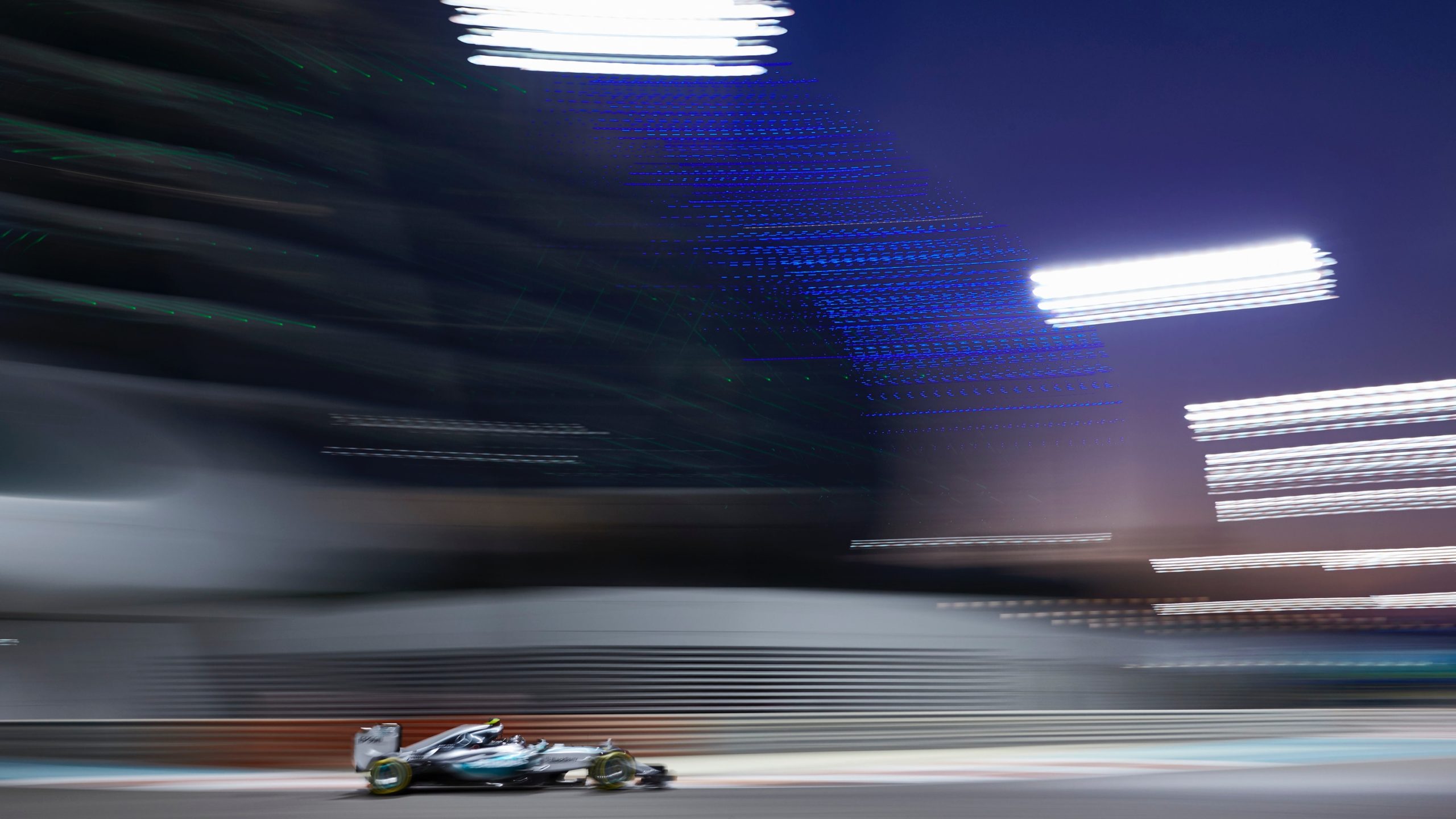
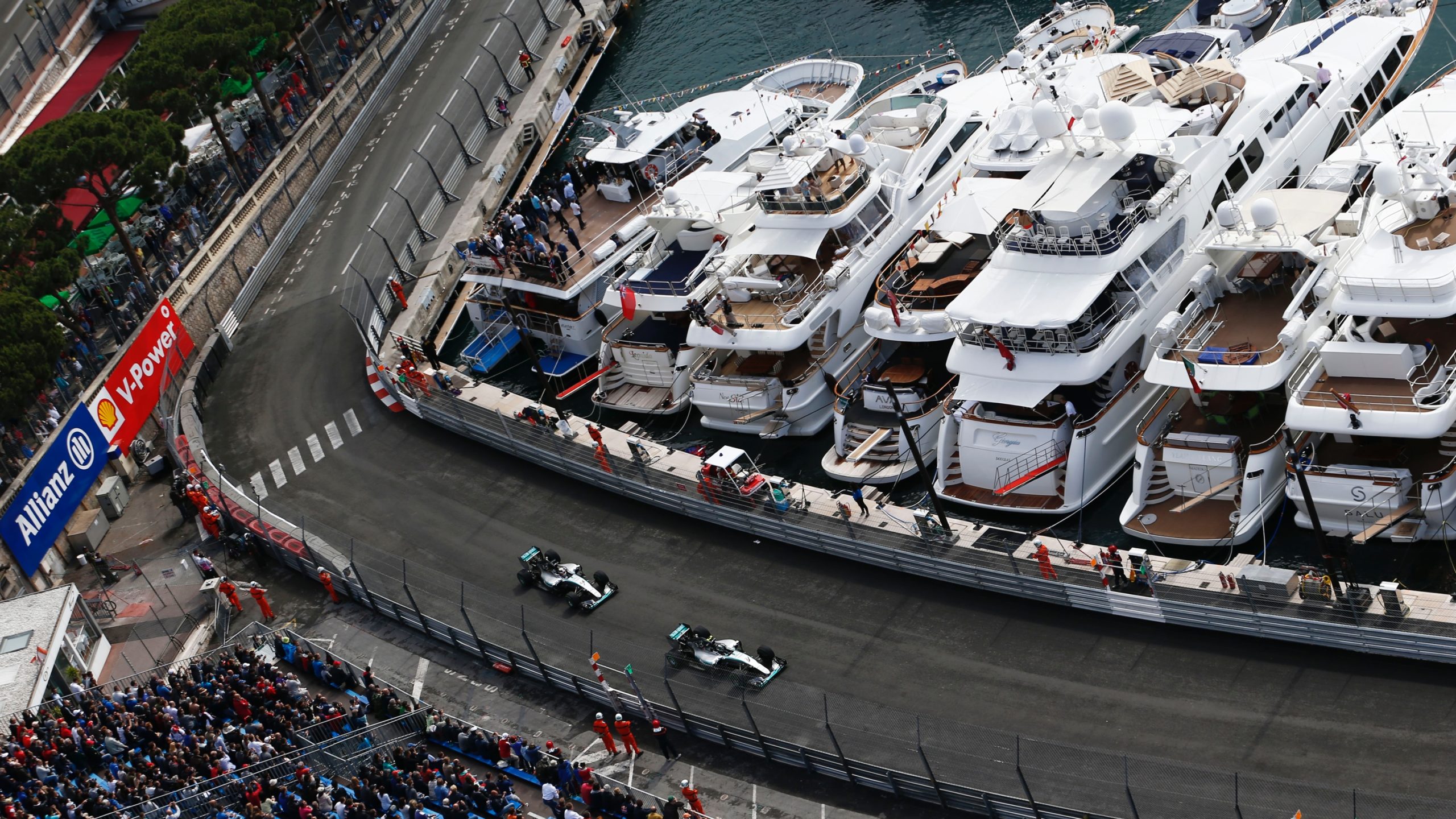
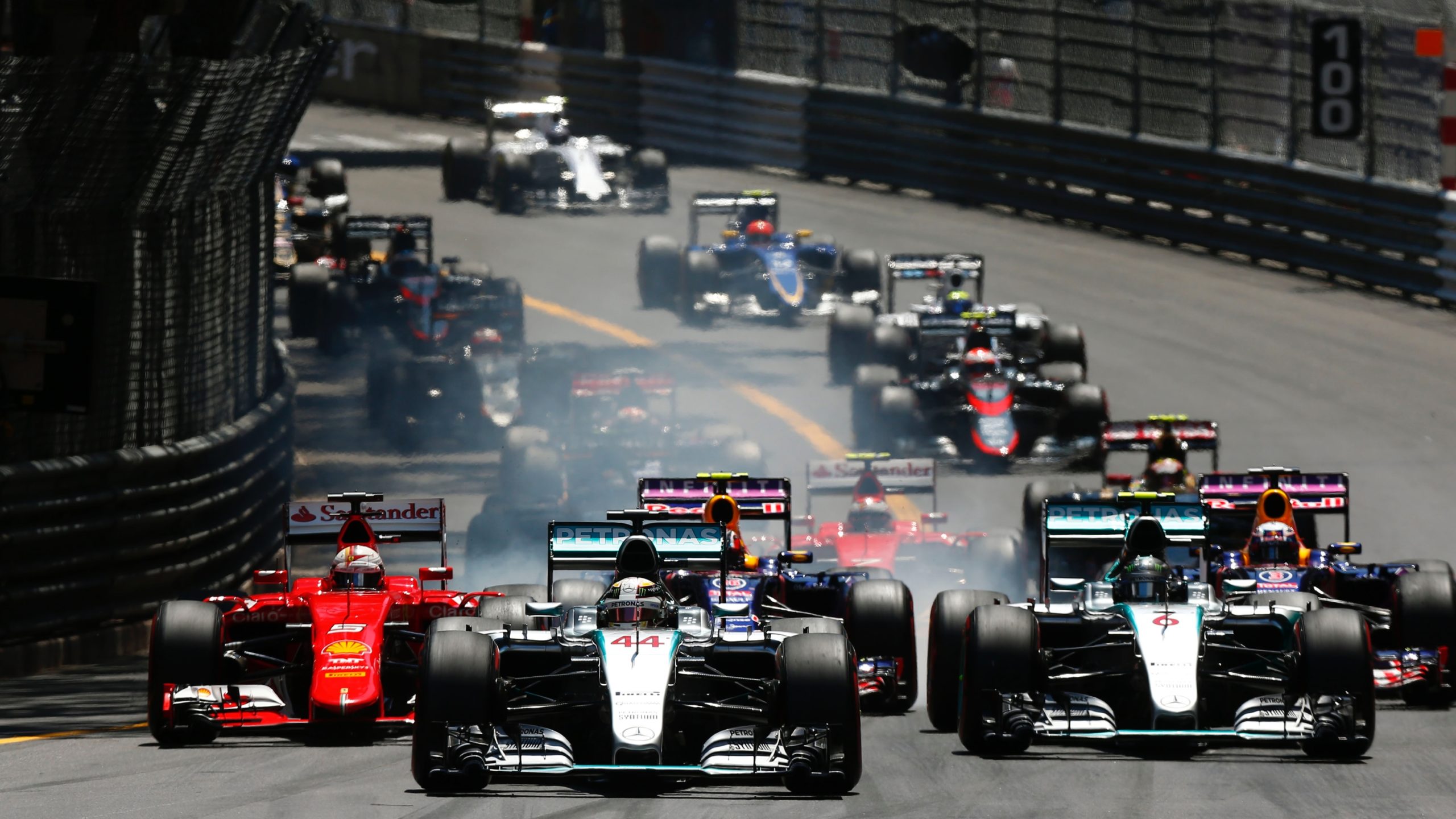
Last year Mercedes dominated Formula 1. The Silver Arrows won 16 out of 19 races, with its drivers Lewis Hamilton and Nico Rosberg finishing the season in first and second place. But how has Mercedes dominated the Formula 1 for two years, and why is it still the favourite to win the 2016 season? Part of the answer lies with its world-class drivers and sophisticated chassis, but the hybrid engine powering them could be one of the biggest contributors to the team’s success.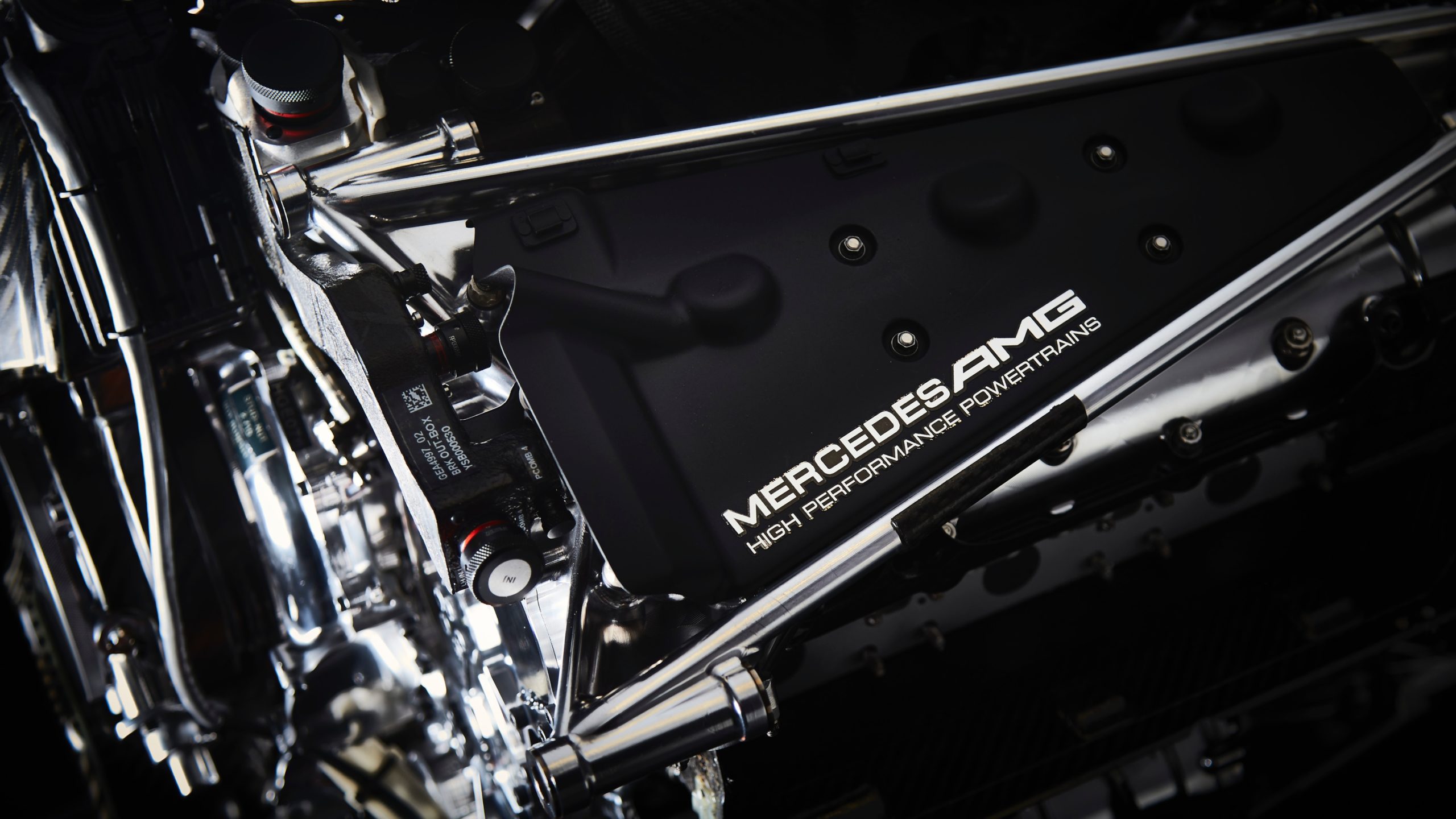
The best engine in F1 came from Motorsport Valley
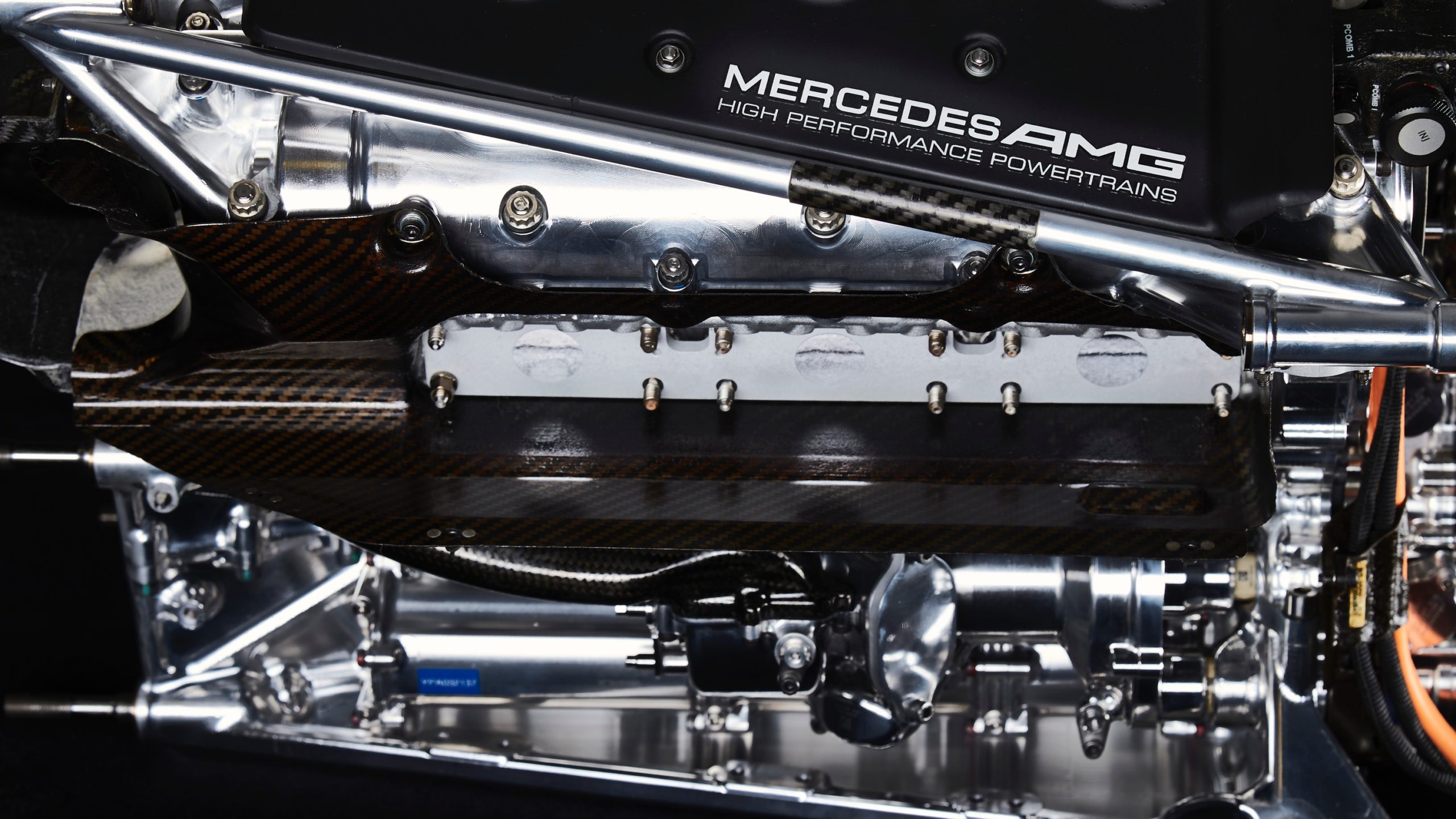
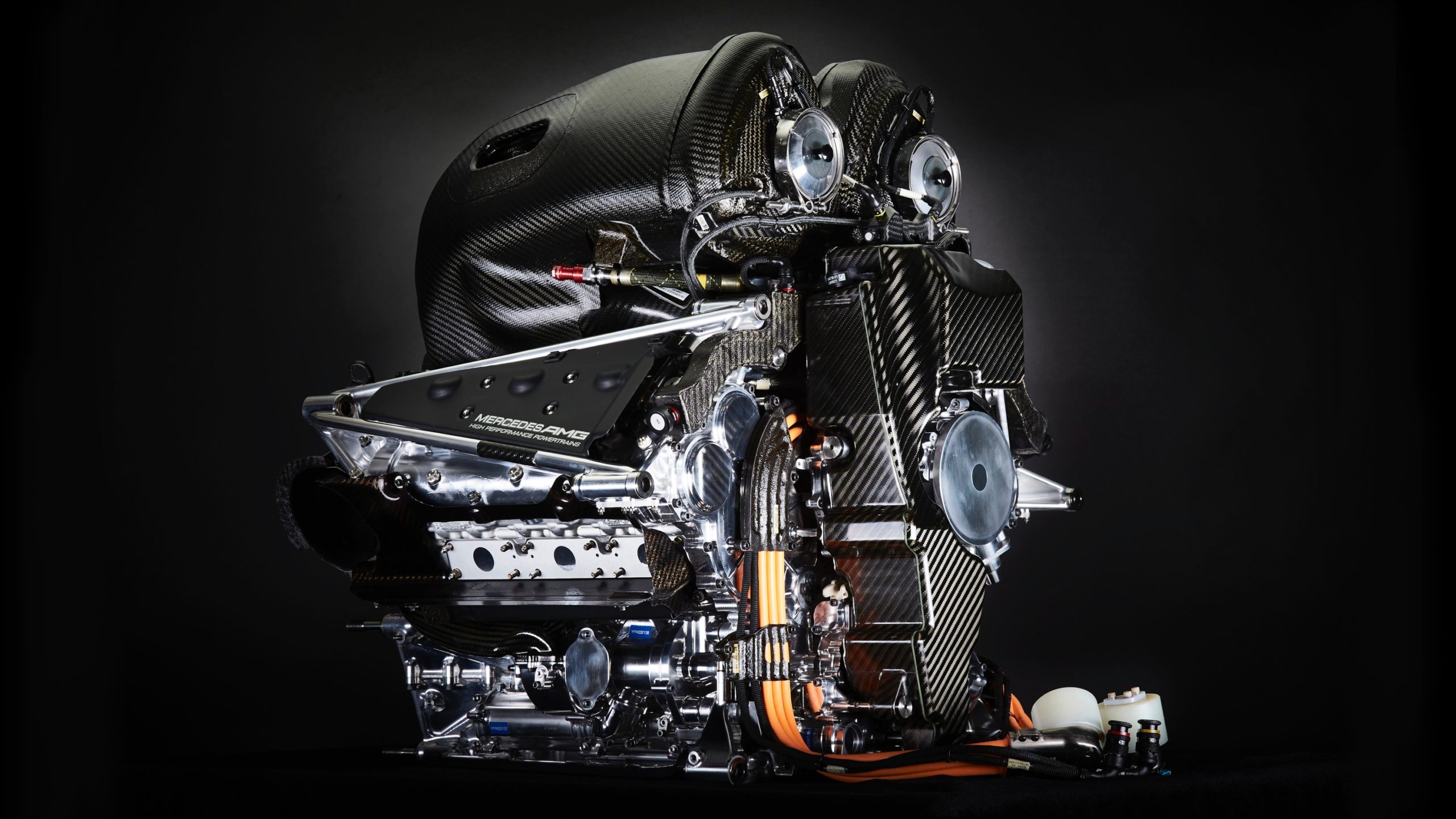
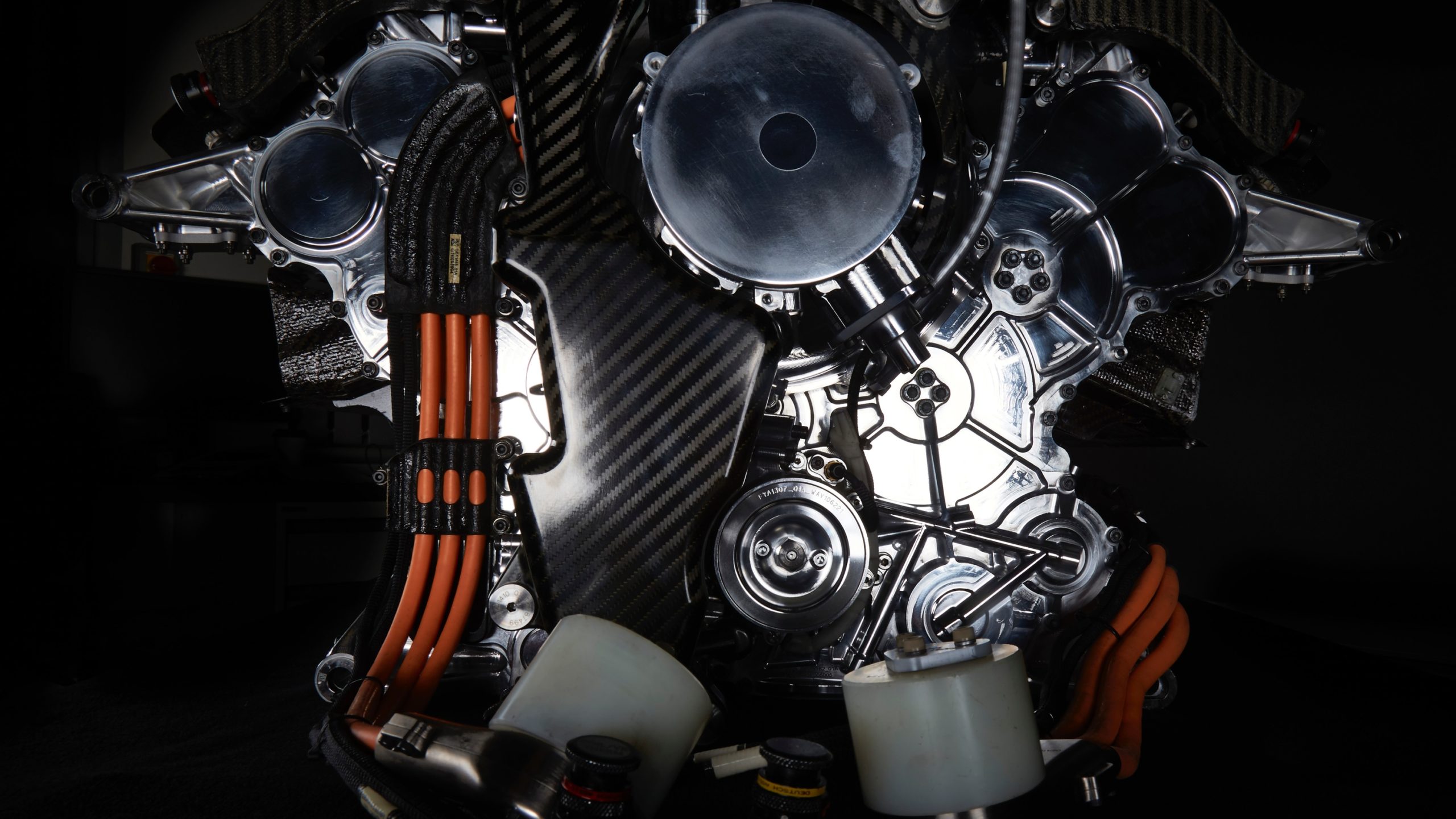
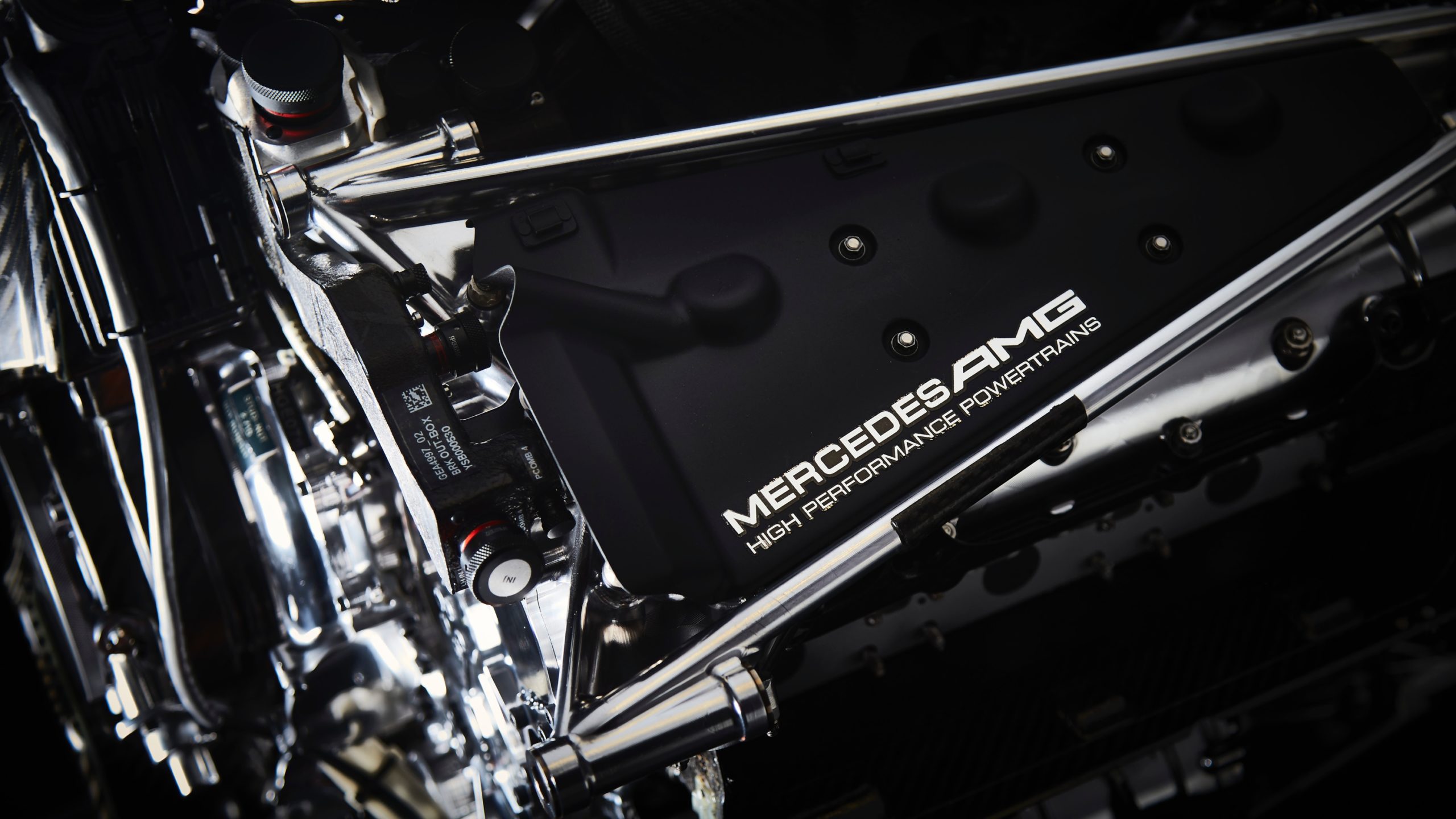
Designed in response to changes in engine rules, the Mercedes Hybrid PU106A is the fruit of a concentrated period of research, development and learning. Powered by a synergy of turbo, electric motor and internal combustion technology, it’s the most complex, efficient and powerful engine Mercedes has ever made.
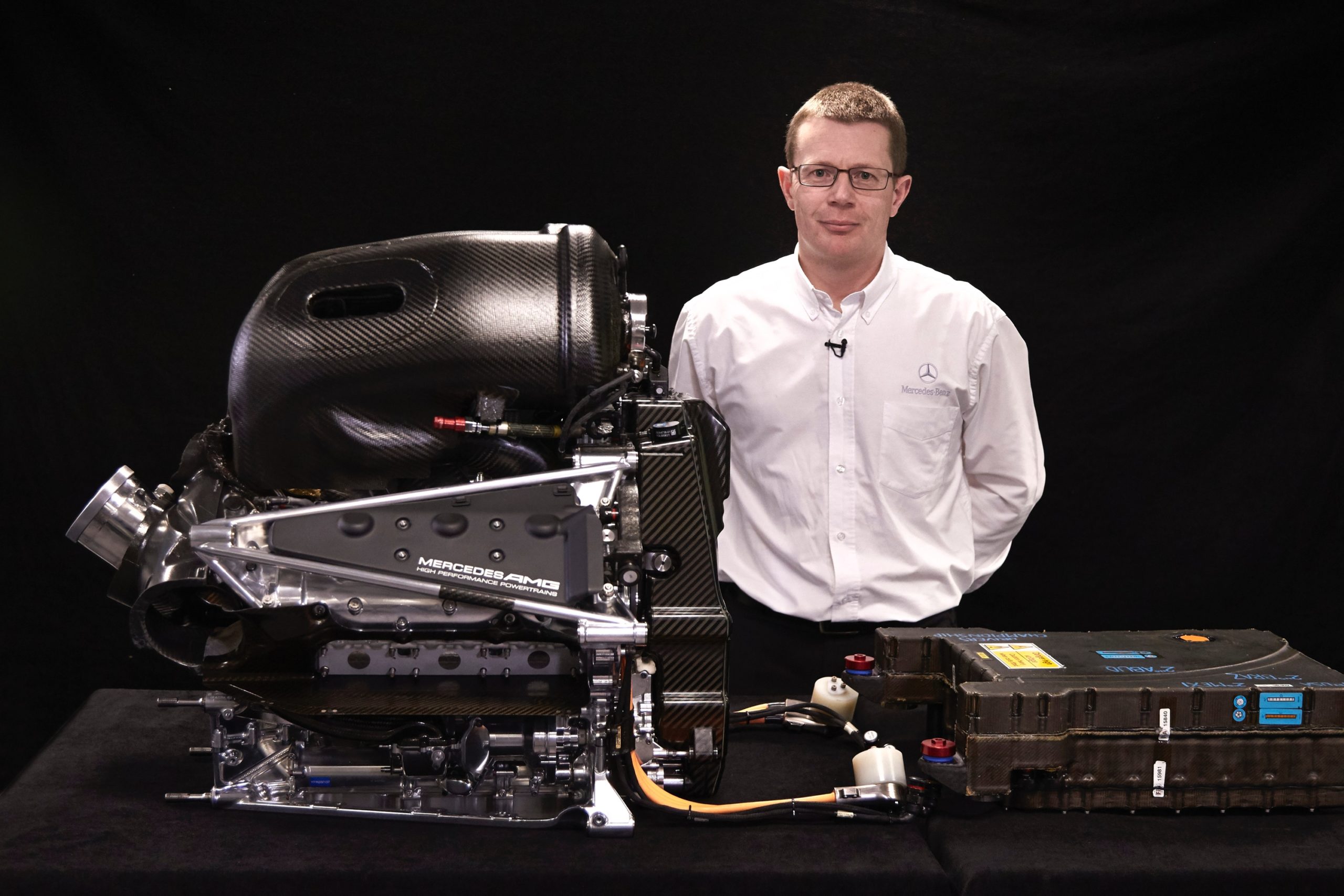
Although designed to be the best engine in the world of F1, the PU106A benefits knowledge from across the Daimler stable – from electric cars to diesel trucks. And the lessons learned by Mercedes are already making their way to our road cars. To discover the cutting-edge powerplant behind two record-breaking years, I sat down with Andy Cowell, the managing director of Mercedes AMG High Performance Powertrains – and the mastermind behind the best engine in F1.
The PU106 is the powerful Mercedes engine ever made
Brixworth is just a short drive from Milton Keynes, and sits in the area of the UK known as Motorsport Valley, a highly concentrated area of SMEs dedicated to racing. And it’s also the home of Mercedes AMG High Performance Powertrains.
It’s here in the UK – not Germany – that Mercedes first began working on the most advanced power unit it’s ever developed.
Rule changes and the need for relevance
Formula 1 has long had a reputation for being out of touch with leading-edge automotive technology, but in 2014 it changed the rules.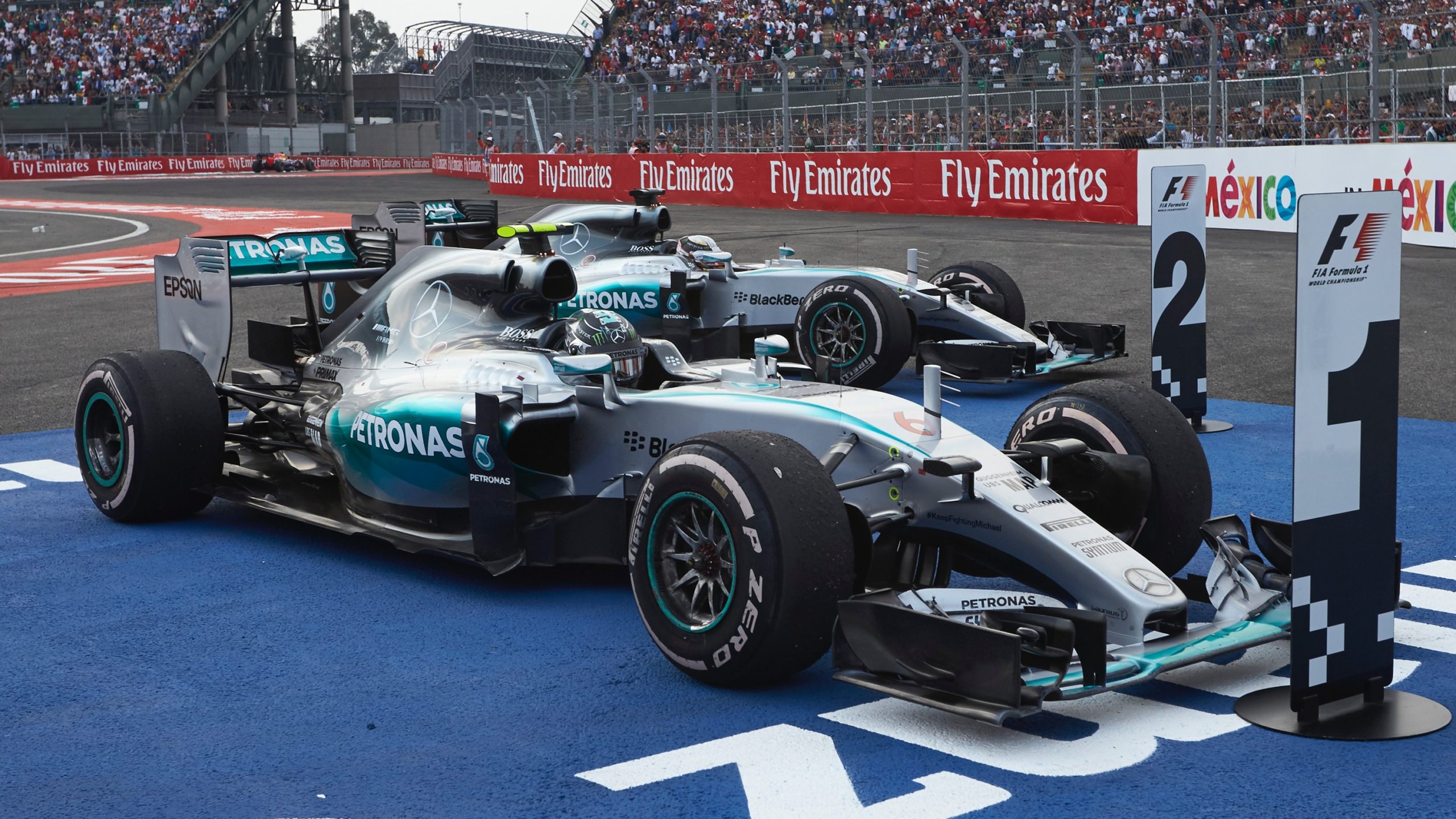
F1’s governing body, the Federation Internationale de l’Automobile (FIA), decided to make the sport more eco-friendly by adding two basic but extremely effective rules: engines could use no more than 100kg of fuel for a race distance, and they weren’t allowed to consume fuel at more than 100kg an hour. “The competitive challenge is how do you [extract] the most energy out of that fuel quantity and propel the car along,” adds Cowell. F1 had become an efficiency race.
The biggest change came with the size of the engine: 2.4-litre V8s were out, and smaller 1.6-litre V6 litre units were in. To compensate for the reduction in engine capacity, the FIA gave engine manufacturers access to a new box of tricks.
“Technologies that were previously not permissible were permitted; so direct injection, a turbocompressor assembly, [and] a larger hybrid system [were allowed],” explains Cowell. Engines now had 120kW of electric boost on tap – twice the power of the old kinetic energy recovery systems (KERS) first seen in 2009, and they could also use an electric machine to recover waste heat energy and boost the turbo.
While this presented a new set of challenges for F1’s engineers, it also meant that, for the first time in decades, F1’s goals were aligned with the wider automotive industry. To produce the best engine, teams would have to push for efficiency – exactly what we want from our road cars.
A new set of rules and challenges
Despite the reduction in capacity, Mercedes was able to claw back a lot of horsepower thanks to the addition of a turbocharger. One of the most effective ways to boost power and efficiency, turbos work by capturing waste exhaust gases, and using them to turn a compressor attached to the engine. The result? More air is forced into the engine, increasing power – and efficiency.
Mercedes had no experience with a turbo – after all, the last time they were used in F1 pre-dated the team – so they relied on knowledge from elsewhere in the Daimler company. Although Mercedes uses turbos in its road cars, it was Daimler’s truck division that proved the most useful to Cowell and his team: the huge amounts of power involved in the F1 engine meant they were a better fit.

“The airflow going into the engine and the exhaust airflow is very similar, so the compressor and turbine wheels are of a similar size,” explains Cowell. “If you look at a road car compressor wheel, it’s sat in the centre of your hand, a tiny little thing. If you look at a truck one, or an F1 one, it’s hanging over the edge of your hand. And with that you get different characteristics, different things to be challenged.”
In the search for more power, the turbo had grown in size, but that exacerbated a fundamental problem with the technology: turbo lag. Caused by the time it takes for the exhaust gas to spin the turbine, turbo lag is present in many road cars today. “We experience it when you’re sitting at the traffic lights and you press the pedal and you creep away,” Cowell says. “And then the power suddenly comes in a particularly uncontrolled way.”
Mercedes had a problem. While turbo lag might be fine for road cars, it poses a potentially catastrophic problem for a race car. Drivers rely on smooth, controlled power to get the most out of a car, and turbo lag would reduce both driver confidence and overall lap time.
But there was a solution for that, too: an electric motor could spin up the turbo well before the exhaust gas arrived. “As you press the accelerator pedal, the electric machine with its instant response and its low speed torque capability can spin the compressor up and feed the engine with air before the exhaust system is energised with exhaust gas,” explains Cowell. And to save space, Mercedes engineers split the turbine and compressor, and neatly integrated the motor generator unit in the middle of the two assemblies.
Dealing with the hybrid factor
Although the 1.6L V6 and turbo are more sophisticated than anything you’d see on the road, it’s the Energy Recovery System (ERS) system that represents the killer app of F1’s new engines. Designed to boost performance and efficiency simultaneously, Mercedes’ ERS system was one of the best on the grid last year – and it’s developing technology directly related to today’s plug-in hybrid vehicles.
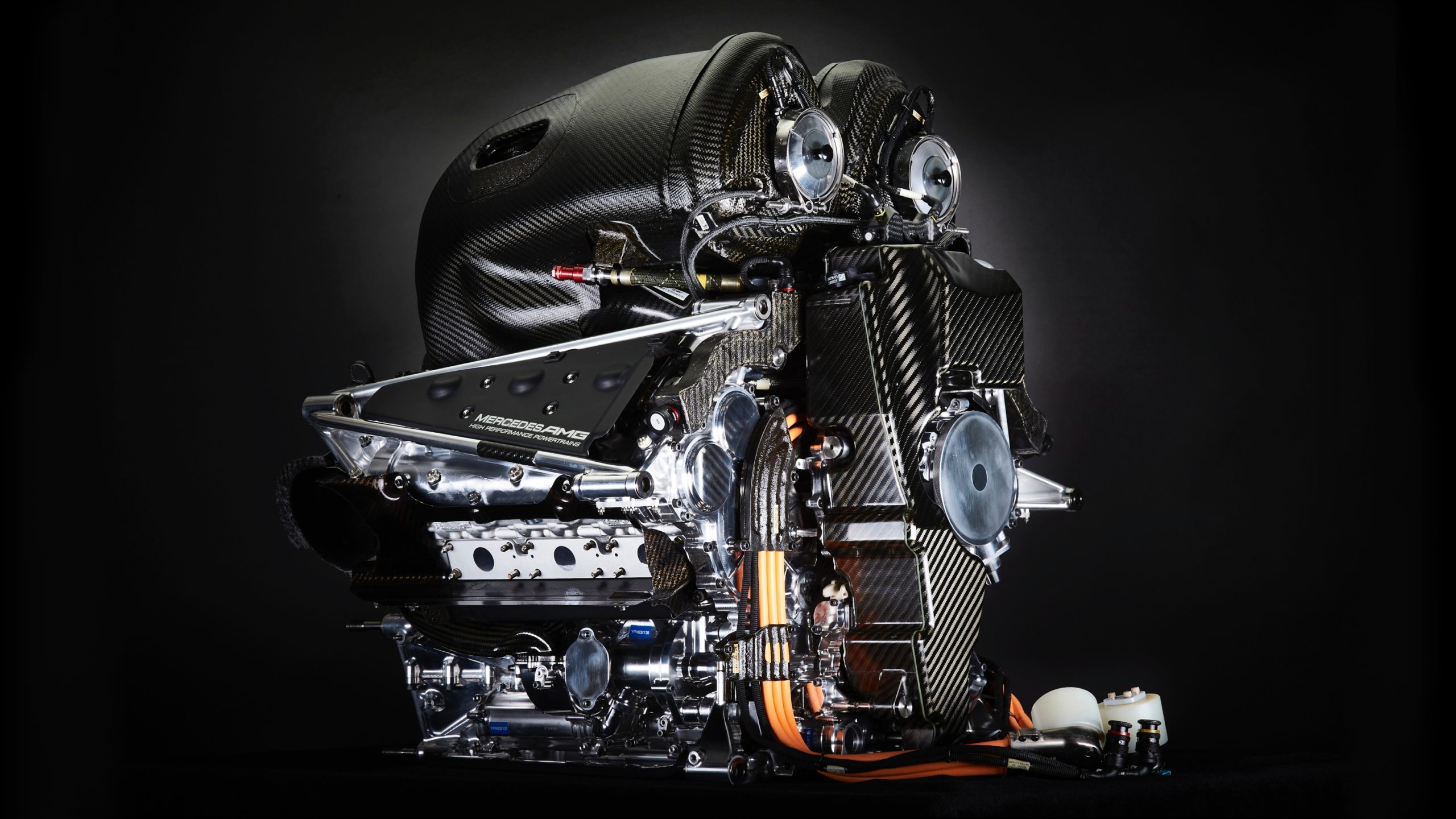
The ERS system can be broken down into several parts – power, storage and recovery – and these work as one to get the maximum energy available.
The engine’s batteries are stowed low in the car for handling reasons, and can store around a massive four megajoules of energy – enough to light 10,0000 20W lightbulbs. This power is then fed to a 120kW motor connected to the car’s rear axle, and that system alone is worth a staggering 160hp – around the same power as a family car. And the recovery? When slowing down, the car’s 120kW motor acts like a dynamo, putting unused energy back into the car’s batteries. The electric motor used to prevent turbo lag by can recover energy too, creating an efficient compounding loop.
From lego blocks to race engines
The engine had to fit into a chassis with specific requirements, and that meant Cowell’s engineers had to work with the rest of the Mercedes team. “[We] thought, what do we really want from the power unit? Lots of power.”
“And what don’t we want from the power unit? We don’t want it to be overweight, because overweight cars are slow cars. We don’t want lots of heat rejection, because lots of heat rejection requires big radiators, which slows the aerodynamics down.”
These compromises ended up shaping the engine, and engineers from Brackley and Brixworth had to consider each trade-off. Cowell sums up their ethos: “If it’s going to make the car quicker, chase it, and if it doesn’t, don’t.”
Testing your work
“All the [initial] testing had to be factory-based, which is something that we’re comfortable with,” admits Cowell. “For a long time now, there hasn’t been much in-season testing and there’s been limited pre-season testing. With the lead times of power unit components, you can’t do the first day of track testing in the winter and recover if there are any issues before the first race. If you find something on the first day of winter testing, that’s bad – you’re going to have a bad first half of the season, just because of the lead times.”
CONTINUES ON PAGE 2: Find out how Mercedes put the finishing touches to its engine, and what it’s got planned for next year.
Software to glue things together
Each component of the engine is heavily optimised, but it takes sophisticated software to get it all working together. “That’s the glue at the end of it all, to make sure the amazing individual bits of technology sing well together,” explains Cowell. “It’s a bit like the bandmaster bringing it all together and optimising it so that it’s a beautiful harmonious sound.”
Cars have to take on two very different tasks in Formula 1, and it’s up to the software to manage the engine in both scenarios.
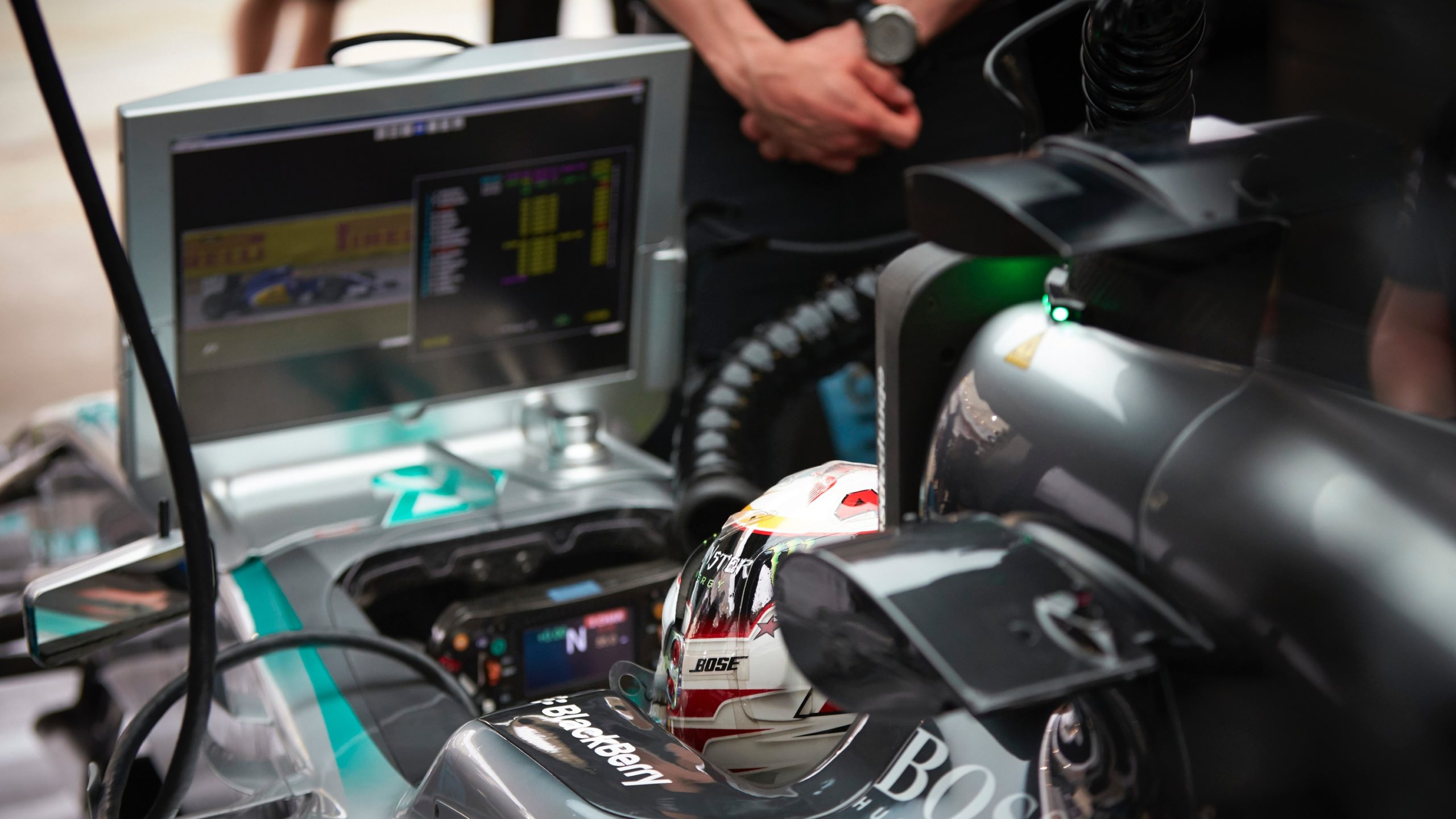
Qualifying demands pure speed, so cars carry little fuel, and engines are able to use all four megajoules of battery power in one lap. To optimise lap times, teams use sophisticated software to work out the best places to unleash the car’s full potential. “On shorter straights, we won’t use the K (the electric motor connected to the rear wheels) on its full power level, or use it for the whole length of the straight – to make sure there’s enough energy left for a longer, more significant straight,” explains Cowell.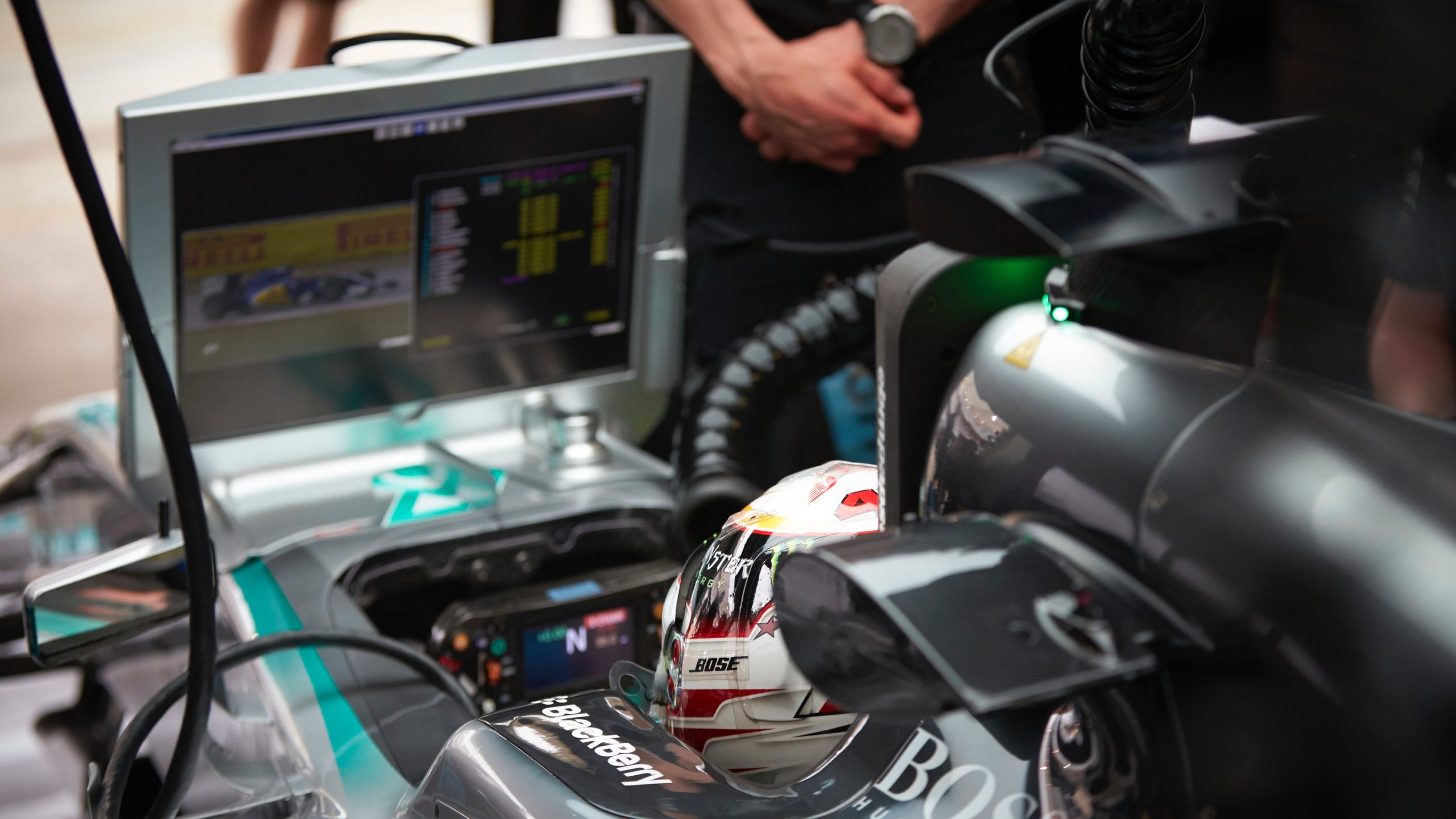
On Race day, cars have to balance endurance and speed, and the software has to account for a countless chain of unpredictable events in each race. Over half of the season’s races require energy saving, so it’s up to the software to decide when to conserve and when to use electricity. The driver still has ultimate control of the car, but it’s the software’s job to make sure they have maximum power at their disposal at any given time.”
“Sometimes you get caught in traffic; other times you get free air; sometimes there’s a safety car; sometimes the tyres degrade; sometimes you’ve got softer tyres on and you’ve got more grip, more full-throttle time. You need the software to be able to optimise around that and make sure that the energy deployed is done intelligently.”
Breaking the laws of physics in 2016
In 2015 Mercedes somehow eclipsed the success of its 2014 season, citing increased reliability as the reason for another year of dominance. But there were warnings over what 2016 might hold. Vettel’s Ferrari was faster than ever, and with the Italian marque developing their engine even more aggressively over the winter, Cowell knows it will be even harder to stay on top in 2016.
“Everybody is motivated, working hard and determined to beat Ferrari,” he says. “But then Honda’s improvement throughout the past nine months has been tremendous. Look at the analysis at what they’ve done in terms of performance improvement, very strong. And Renault as well, they can pull it all back together and improve as well.”
But Mercedes aren’t chasing their rivals at all. Leading from the front after two epic years, and with minimal rule changes for 2016, Mercedes is still chasing efficiency – and that’s where Cowell sees even more benefits for road cars.
“That’s exactly what the road car world’s doing,” he adds. “We’re out there chasing all those little technologies, tweaks and bits of optimisation.”
“There’s approximately 1,240W maximum potential in the fuel flow rate, so if we got 100% thermal efficiency we’d be breaking some of the laws of thermodynamics, but that’s theoretically the maximum that you could get out of that fuel energy,” Cowell explains. “We’re some way from this goal, but the very fact that everybody in this building focuses on that means that we are chasing every single energy conversion stage and trying to get it close as possible to 100%. Every time energy is flowing, whether it’s electricity along a cable or through a connector or a terminal, we’re focusing on that being as efficient as possible.” The result? Mercedes believes that last year’s engine produced around 45% efficiency, and this year’s engine is already hitting over 900hp.
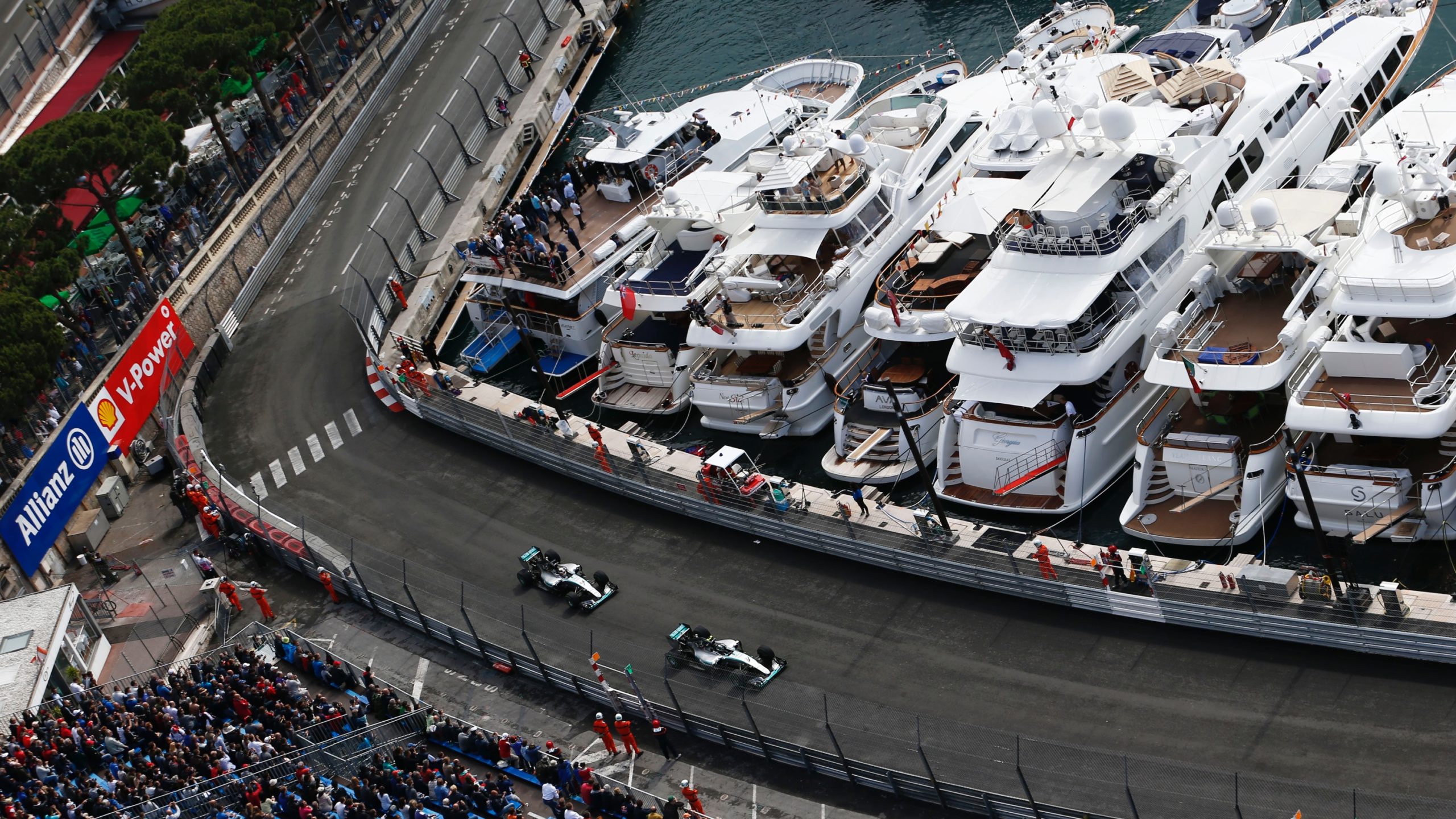
In 2016, Mercedes’ quest for continued dominance will draw it ever closer to the goals of mainstream automotive energy. Efficiency is power, and the more carmakers such as Mercedes push for victory, the more they advance our understanding of low-emission, super-efficient powertrains. According to Cowell, technology from the 2014 hybrid engine will be in cars “in the next two or three years”, and there’s much more to come.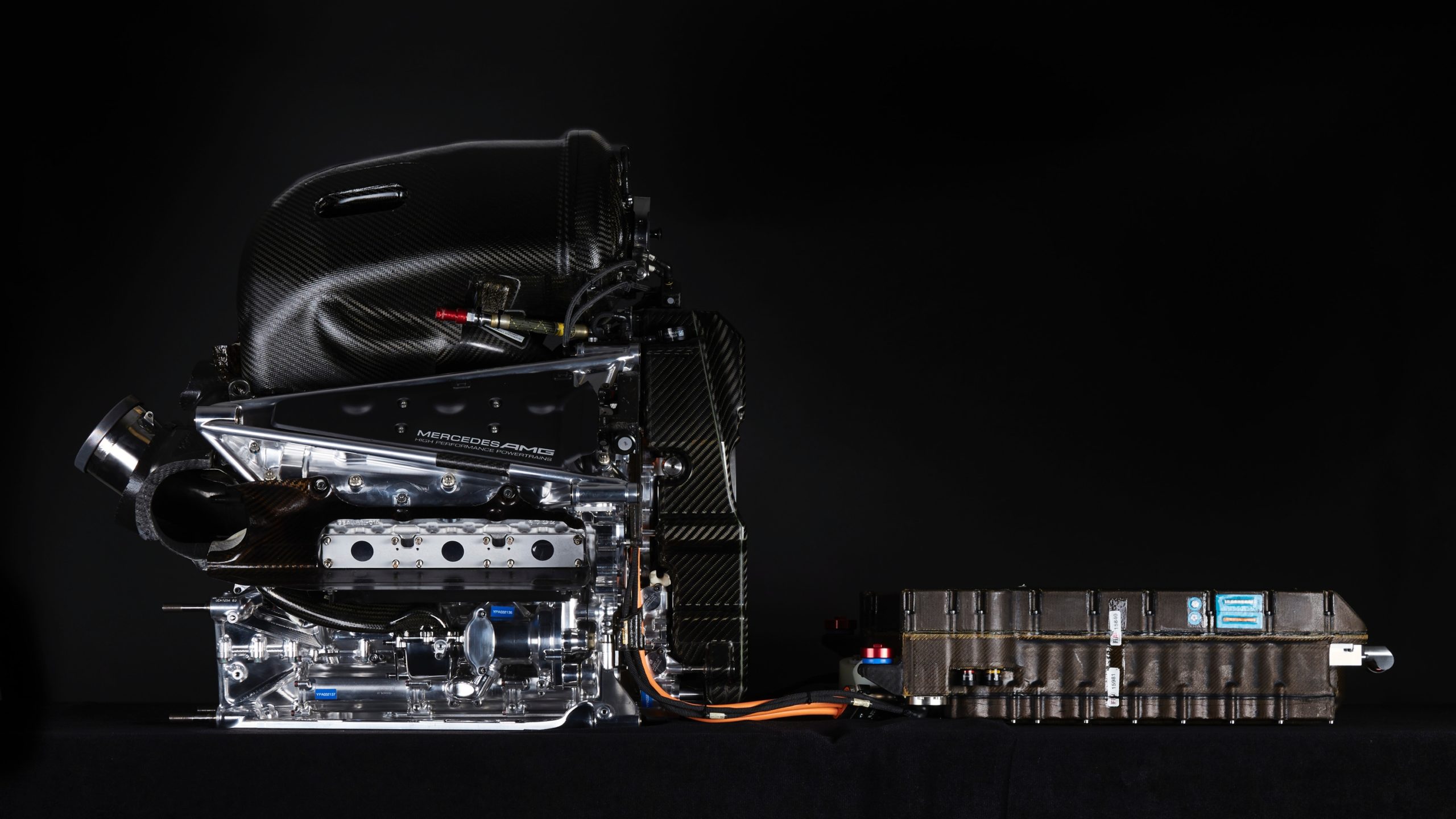

Disclaimer: Some pages on this site may include an affiliate link. This does not effect our editorial in any way.