It’s the age of generative artificial intelligence (AI), and that means that AI generations are everywhere, particularly in images. Since they first burst into the popular consciousness a few years ago, these artificial images have come a long way in realism and detailed appearance. It’s getting harder and harder to tell an AI image from an actual one. Almost.
In this article, we’ll be giving you a few pointers on how to spot AI-generated images and keep a handle on what’s real.
Ever Evolving, Ever Artificial
It used to be easy to spot an AI vs. real image. Just count the fingers, for one. But it’s not so easy anymore. AI companies have upped their game, and many telltale signs are much harder to spot. The technology is constantly evolving, though not as rapidly as it once was.
Still, you might be worried about being duped by fake images, and with good reason. AI-generated images can be used to scam (accommodation, marketplaces), deceive (politics, propaganda), and mislead.
At the end of the day, though, no matter how far things progress, these images will remain artificial and will never capture all the complexities of a real image.
How to Spot AI-Generated Images – Our Top Tips
For AI vs. real image, there’s no one surefire way to spot an AI image, because no one AI image will share all the signs of another. That said, we’ve put together some tips so you have more than enough ways to know if you’re looking at the real deal.
Keep Looking

It’s an age where we’re bombarded with content, and constantly browsing pics, so if you feel it’s important to know if an image is real or AI, look at it for a bit longer. It may seem legit at first glance, but the longer you stare at the details, the more you’ll pick up inconsistencies, particularly in the background. Newer AI images are great at looking convincing at a glance, but often crumble on closer inspection.
Light Sources
How many light sources are in your image? Do the shadows correspond with them? Is there a backlight on a silhouette with no identifiable source? Are there shadows on all sides? AI struggles with lighting consistency across an image, often with significant discrepancies between objects in the scene and between the foreground and background.
Struggles With Symmetry

With any picture where symmetry is expected or important, keep a close eye on the details. AI has a hard time with repeating existing patterns, especially with those that mirror each other. Facial symmetry can also be a giveaway, though less so than it used to be.
Anatomy Matters
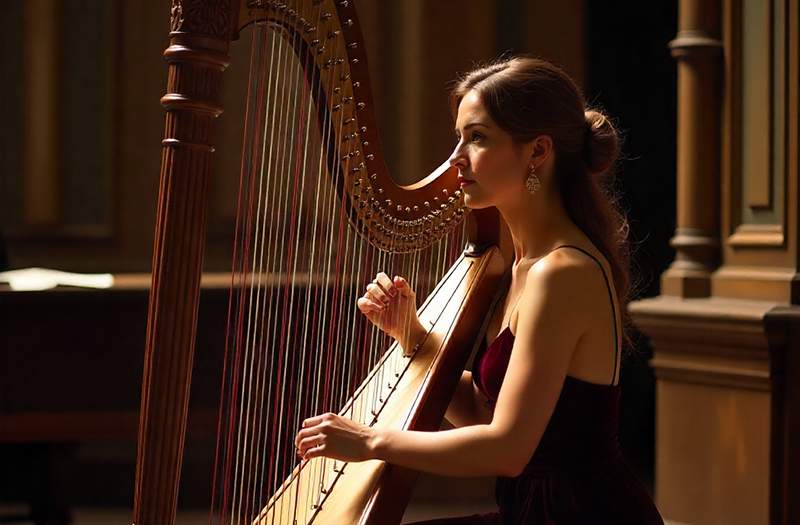
Yes, AI still hasn’t gotten this tricky subject down yet. Look for limbs that are too short, fingers that disappear into each other, or background faces that literally seem to blend. That also applies to other aspects of people in pictures. Take a look at clothing seams, check where strands of hair lead, and see if the weight of those clothes really comes through.
Check the Source
Outside the actual image, study the context of where you’re looking at it and who created it. Who’s the source? If you’re viewing it on social media, what do other posts on the account look like? Can you reverse image search the picture to see if other places are sharing it?
Go With Your Instinct
No matter the quality, AI images still have a certain “vibe” to them that feels off and places them somewhere in the uncanny valley. Things can be too perfect, too polished, or conversely too strange. Go with your instincts. If the picture seems too strange, but you can’t put your finger on why, it’s most likely AI. Your brain has seen enough real images to know something’s up.



Disclaimer: Some pages on this site may include an affiliate link. This does not effect our editorial in any way.