The popular assumption that gaming is wasted screen time misses what a chosen session can do after a demanding day. A game can mark a clean transition out of obligations, hold attention in an activity, and offer a temporary mental break.
That does not make play treatment, nor does it solve the pressure waiting outside the screen. It can still qualify as legitimate downtime when it restores mood and fits alongside daily responsibilities.
People weighing an Xbox Game Pass Ultimate 12-month price often compare official pricing, current plan availability, and longer-term code offers on digital marketplaces. Grabbing a subscription for Game Pass Ultimate from Eneba can suit someone planning a menu of games for a deliberate leisure window.
The platform is a value destination, and product pages can show regional and platform information for selecting an appropriate option. Its verified merchants support access to legitimate digital products, keeping the choice focused on intentional downtime.
The Experience of Play
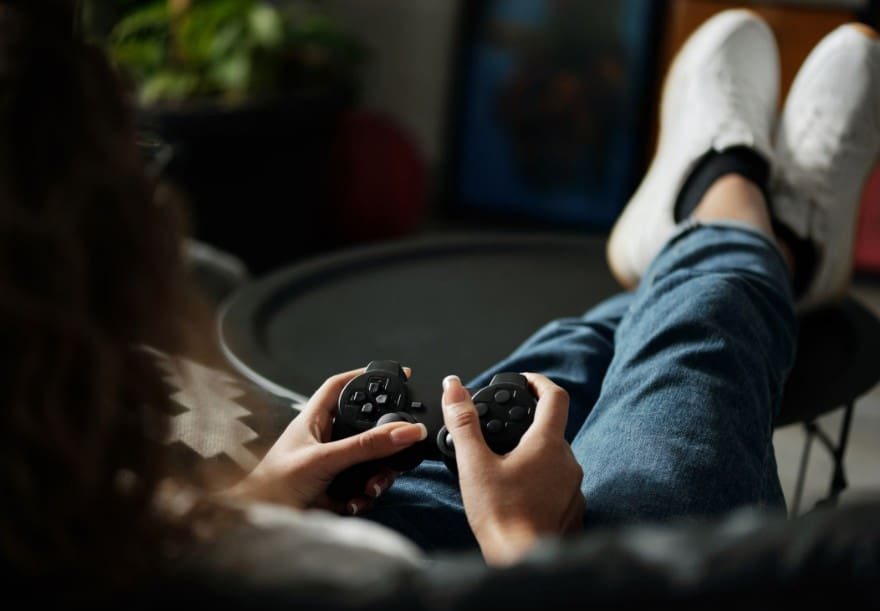
Research gives that idea a useful limit: the benefit relates more to the experience of play than to raw hours. A controlled study found greater affective restoration after a brief casual game following a stressful task than after a relaxation activity, though cognitive restoration was less clear.
In another study of 80 undergraduates, both a 20-minute casual game session and a mindfulness body scan were linked to lower psychological and physiological stress. Mindfulness reduced perceived stress slightly more, while physiological results did not significantly differ.
A large Oxford study using six weeks of objective gameplay data found little to no evidence that time spent playing itself causes changes in well-being. Its average effects were probably very small, which challenges the idea that ordinary playtime alone tells the whole story.
Earlier Oxford research associated genuine enjoyment, autonomy and competence, as well as social connection, with more positive well-being. Chosen play that feels satisfying has a stronger case as restorative leisure than play pursued from pressure or habit. When taking a break from stressful routines or managing digital distractions during play, knowing how to silence notifications on an iPhone helps keep your attention focused on relaxing.
Escapism With a Purpose

Escapism earns its place when it means psychological detachment rather than denial. Immersion can give the mind space away from a work problem or tense schedule, then allow a return with a steadier mood. A five-day comparison of games and a mindfulness app found recovery experiences in the game condition increased over time. It supports games as a possible recovery activity, not an activity better than mindfulness for everyone.
Game choice shapes the outcome. Calm or cooperative play may fit a restful evening, while a difficult competitive session may leave someone more wound up. Simulation titles offer a creative outlet where players control every aspect of their environment; for instance, learning how to use Sims 4 full edit mode gives players total freedom to adjust their characters and stress-free worlds.
A systematic review found that some commercial games, particularly casual games and exergames, reduced stress or anxiety in experimental settings. It also stressed that results differ across games, players, and contexts, which rules out universal promises.
Keeping Downtime Restorative
Healthy downtime is measured by function and balance, not a universal clock. Choose enjoyable play, take breaks, and protect sleep, then note your emotional state afterward. If games regularly crowd out work, relationships, or health, their role has shifted away from restoration. The World Health Organization describes gaming disorder as impaired control and significant impairment, while noting it affects only a small proportion of people who game.
Connecting with like-minded communities outside the game can also enhance your downtime experience. Joining active discussion boards or learning how to find groups in Telegram allows players to share strategies, connect with friends, and discover new gaming recommendations.
Final Thoughts
That broader view gives gaming a fairer place in a technology-heavy day. Eneba, a digital marketplace, fits as a practical value destination for planned access, not as a promise of relief. Selecting an appealing game, checking listed region and platform information, and reserving time can turn a purchase into a purposeful pause.
The value lies in leisure that leaves room for the rest of life. If you like documenting your favorite gaming achievements or saving high scores to your desktop, learning how to screenshot in Mac Pro ensures you can save those restorative moments seamlessly.
Related Posts
 ForumScout AI Review: What Do People Think About Your Brand?
 Why Modding and User-Created Content Keep Games Fresh
 Reasons Why Watchdog.chat Can Replace Your Discord Moderator
 Why Am I Having Trouble With DALL-E Image Generation?
 Best Minecraft Skin AI Generator
 3 Fun AI Minecraft Builder Tools
 3 Cool Apps You Can Use to Create Minecraft Avatars With AI
 What Beginner Gamers Get Right About Choosing First Games and Building a Habit
 Are Classic Franchises Renewed Through Thoughtful Returns

Disclaimer: Some pages on this site may include an affiliate link. This does not effect our editorial in any way.