Smartphones have changed how people interact with everyday technology. From checking home security cameras to managing smart appliances, mobile applications now allow users to monitor connected devices without being physically nearby.
One of the technologies supporting this convenience is 4G LTE. While Wi-Fi works well for devices connected to home or office networks, LTE provides internet access through cellular networks, making remote monitoring possible in locations without a traditional broadband connection.
This capability has become particularly useful for smart security systems, GPS trackers, portable monitoring devices, and connected vehicle accessories. Combining cellular connectivity, cloud platforms, and mobile applications allows modern consumer devices to send notifications, share location information, and provide live video access almost anywhere.
What Is 4G LTE Remote Monitoring and How Does It Work?
4G LTE remote monitoring allows users to access information from connected electronic devices through cellular networks and smartphone applications. LTE stands for Long-Term Evolution, a mobile communication standard designed to support high-speed data transmission over cellular networks. If you want to explore the underlying wireless architecture further, understanding the technology behind Gigabit LTE reveals how cellular modems handle high-bandwidth data transfers.
In a typical remote monitoring system, a connected device collects information through cameras, sensors, or GPS hardware. Its cellular modem then transmits relevant data to a cloud service, where an authorized smartphone application can retrieve it.
The process involves four main components:
- Connected device: Collects video, location information, or sensor readings.
- LTE modem and SIM: Establishes a cellular data connection.
- Cloud platform: Processes, stores, or forwards information between devices.
- Mobile application: Provides remote access, notifications, and device controls.
For example, a cellular security camera can detect movement and send an alert to its owner’s phone, even when the camera and smartphone are connected to completely different networks. This communication does not require the smartphone to remain within Bluetooth or local Wi-Fi range.
How Do Mobile Apps Communicate With LTE-Connected Devices?
Mobile applications communicate with LTE-connected devices through internet-based services rather than direct short-range wireless connections. When a user opens a monitoring app, the application typically sends a request to a cloud server, which communicates with the registered device through its cellular connection.
Depending on the product, this process can provide live video, GPS coordinates, device status, or recorded event information. For example, a remote security application may allow users to:
- View supported live camera feeds.
- Receive motion or impact notifications.
- Review previously recorded events.
- Check device location and connection status.
- Adjust available monitoring settings.
Authentication helps prevent unauthorized users from accessing these functions. Most systems require an account, registered device, and secure communication protocols, while some also support multifactor authentication. The exact features depend on the device hardware, application, and cloud service.
What Is the Difference Between Wi-Fi and 4G LTE for Remote Monitoring?

Wi-Fi and LTE both provide internet connectivity, but they serve different monitoring requirements. Wi-Fi devices typically connect through a nearby wireless router, whereas LTE devices connect directly to a compatible cellular network using a modem and SIM.
- Internet Connection: Wi-Fi relies on a local wireless router, while 4G LTE connects directly to cellular towers.
- Installation Location: Wi-Fi devices must remain within router range, whereas LTE devices work anywhere inside supported cellular coverage.
- Remote Smartphone Access: Both technologies support remote smartphone access through cloud-based internet services.
- Cellular Data Plan: Wi-Fi setups rarely need cellular plans, while LTE hardware generally requires an active mobile data subscription.
- Mobility: Wi-Fi suits fixed locations like smart home cameras, whereas LTE excels on moving equipment like GPS trackers and connected vehicles.
An important distinction is that Wi-Fi devices can also support remote monitoring through cloud services, and optimizing local setups for faster Wi-Fi downloads on phone, laptop, and PC keeps indoor cameras streaming smoothly. However, LTE’s main advantage is independence from fixed local internet, making it practical for mobile equipment or remote areas.
How Do Cloud Platforms Make Remote Monitoring More Convenient?
Cloud platforms allow connected devices to store, process, and share information without requiring users to access the devices directly. For example, a smart security camera may upload a short video when it detects movement, notifying the owner’s smartphone and making the recording available for review.
This arrangement provides several advantages. Selected recordings remain accessible when the user is away, cloud storage protects uploaded files if the original hardware is damaged or stolen, and users can manage multiple compatible devices through one application.
However, not every cloud-connected product uploads footage continuously. Many devices only transfer event-triggered recordings to reduce data consumption and storage costs. Consumers should also review privacy policies to understand how recordings are stored, who can access them, and how long providers retain data.
Can 4G LTE Technology Support Remote Video Monitoring?
Yes. LTE connectivity can support remote video monitoring by transmitting camera footage over a cellular network to an authorized smartphone application. This capability is particularly useful for devices installed in locations without reliable Wi-Fi, including temporary workspaces, remote properties, and vehicles.
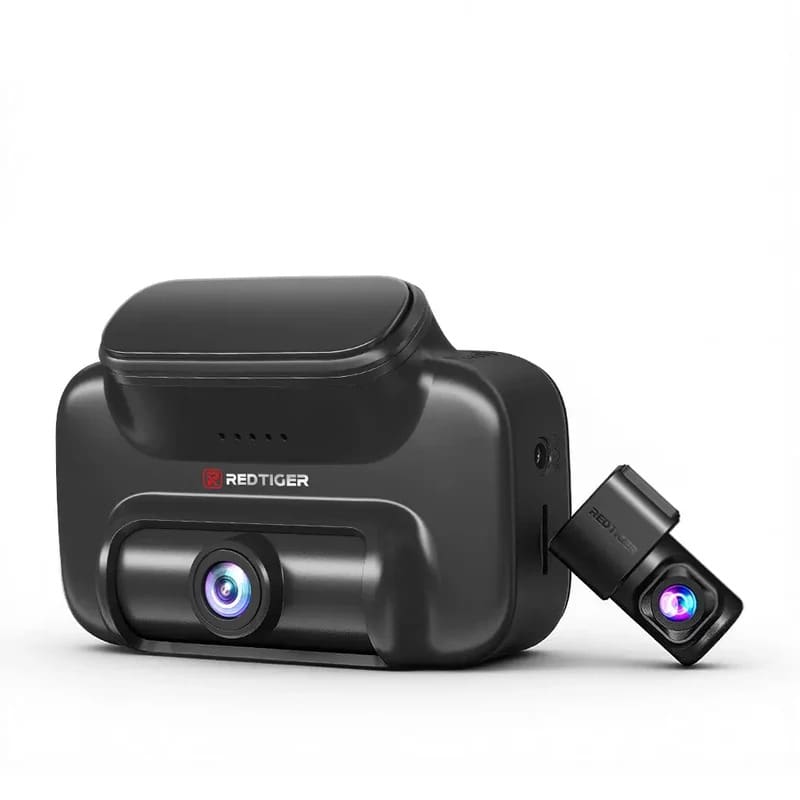
For example, an LTE-enabled wireless dash cam allows a vehicle owner to view supported footage, receive parking notifications, and access incident recordings remotely. In this context, wireless describes cellular connectivity rather than a camera operating without electrical wiring.
A practical example is the REDTIGER VS10, which combines 4G LTE connectivity with front and rear video recording. Its main technical specifications include:
- Front Camera: 2.5K resolution at 25fps with a 150-degree viewing angle.
- Rear Camera: 1080p resolution at 25fps with a 140-degree viewing angle.
- Connectivity: Built-in 4G LTE SIM alongside local 2.4GHz Wi-Fi.
- Mobile Application: Managed via the OnaGo app with GPS tracking and route history.
- Cloud Recording and Alerts: Automatic upload of supported incident clips and collision alerts.
- Storage and Parking Mode: Supports 64GB to 256GB memory cards and requires a compatible hardwire kit for parking monitoring.
These specifications demonstrate how LTE connectivity extends traditional recording systems. Instead of relying solely on locally stored memory cards, owners can access supported monitoring features remotely through a mobile app.
How Do Real-Time Alerts Work on Connected Devices?
Real-time alerts notify users when a connected device detects a predefined event. The process usually begins with a sensor: a security camera might detect movement, while a GPS tracker identifies a location change.
The device sends event information through its internet connection to a cloud platform, which delivers a push notification to the user’s smartphone. Depending on the system, notifications may contain a brief description, location information, or a link to recorded footage.
For example, the REDTIGER VS10 supports collision notifications through its OnaGo application, automatically uploading a 15-second video clip to cloud storage when an impact occurs. However, real-time does not guarantee instantaneous delivery, as cellular signal strength, server response, device power, and phone settings can introduce delays.
How Does GPS Tracking Work With LTE Mobile Applications?

GPS tracking and LTE connectivity perform separate but complementary functions. GPS determines a device’s location using signals from navigation satellites, while LTE provides the internet connection needed to transmit that location to a remote service.
When combined, these technologies allow compatible mobile applications to display live device locations and recorded route histories. Common applications include personal GPS trackers, connected vehicles, portable asset monitors, and location-enabled security equipment.
The REDTIGER VS10 supports remote GPS location tracking and route history through its smartphone app whenever an active cellular connection exists. Location tracking should always be used transparently with appropriate permission, and users should note that GPS accuracy can drop inside buildings or underground parking garages.
Do LTE Monitoring Devices Need a SIM Card and Subscription?
Most LTE monitoring devices require a physical SIM card or embedded eSIM and an active cellular data plan to communicate over mobile networks. Learning what a SIM card does clarifies how this chip authenticates your hardware with cellular carriers while the subscription funds mobile data transfers.
Some manufacturers include introductory data allowances, while others require activating a separate plan. For example, certain REDTIGER VS10 packages include six months of cellular data with a 2GB monthly allowance, though package terms vary by region and bundle.
Consumers should factor in several ongoing expenses:
- Monthly or annual cellular data charges.
- Optional cloud storage subscriptions.
- Additional fees for extended video retention.
- Higher data consumption from frequent live streaming.
Regional compatibility also matters because connected devices are built for specific cellular operators and frequency bands. Always verify that a product’s supported networks match the country where it will operate before purchasing.
How Secure Are Mobile Apps Used for Remote Monitoring?
Remote monitoring applications provide convenient access to connected devices, but their security depends on the manufacturer’s software design and your account settings. Because these systems handle sensitive live video, stored clips, and location histories, they must encrypt data across devices, cloud servers, and smartphones.
Consumers should look for encrypted connections, strong account authentication, regular firmware updates, and transparent privacy policies. Enabling strong passwords and multifactor authentication adds vital protection against unauthorized logins.
Users should also audit application permissions, granting only necessary notification or location access while disabling unneeded privileges. Reviewing cloud storage retention settings ensures you know when recordings delete automatically and how personal account data is managed.
What Should Consumers Look for in an LTE-Connected Smart Device?
The best LTE-connected device provides reliable connectivity, practical mobile app features, and reasonable ongoing costs for its intended purpose. Begin by identifying what information you need remotely: camera resolution and cloud storage matter most for video monitoring, whereas GPS accuracy and update frequency matter more for tracking.
Keep these essential factors in mind when comparing devices:
- Network compatibility: Confirm supported cellular bands and operating regions.
- Power requirements: Check whether the device needs continuous external power or uses a rechargeable battery.
- Application quality: Look for intuitive controls, reliable push notifications, and straightforward account management.
- Data usage: Understand how live video streaming and frequent location pings affect monthly cellular allowances.
- Software support: Choose products backed by documented firmware updates and clear security practices.
No single specification guarantees reliable performance. A balanced combination of durable hardware, stable cellular connectivity, responsive software, and ongoing manufacturer support matters far more than an inflated feature list.
Is 4G LTE Remote Monitoring Worth Using for Everyday Technology?
4G LTE remote monitoring is worth considering whenever a device needs reliable internet connectivity outside the reach of a fixed Wi-Fi network. For indoor home appliances and stationary living room cameras, existing broadband connections already deliver everything required for remote access.
LTE proves far more valuable for portable equipment, moving vehicles, temporary job sites, and rural properties lacking Wi-Fi. Its core advantages include anywhere information access, instant event alerts, live GPS tracking, and seamless cloud integration.
Ultimately, choosing LTE involves weighing cellular data subscriptions, local signal coverage, power needs, and privacy controls against convenience. As mobile apps integrate deeper into everyday hardware, LTE connectivity offers a dependable way to monitor important assets remotely.
Related Posts
 How to Use TGDesk for Group Monitoring on Telegram
 How To Test Mobile Apps Across Regions Without Getting Blocked Or Misled
 Control Almost All PC Apps With Your Voice Through VoiceType AI
 Multiplatform File Transfer Tools for PC, Mac, and Mobile Devices
 3 Cool Apps You Can Use to Create Minecraft Avatars With AI
 Connect Your Everyday Apps Through Concierge AI and Skyrocket Your Productivity
 Best Budget Apps for iPhone
 Trickle Magic Canvas AI Review: Turn Prompts Into Apps and Web Pages
 How Well Does Whacka AI Build Apps Without Code?

Disclaimer: Some pages on this site may include an affiliate link. This does not effect our editorial in any way.