
Say you’re looking for an MIT-licensed AI assistant. That still leaves you with two of the biggest names in AI today: OpenClaw and Hermes Agent. Both have active development, documentation, and growing ecosystems. So which is right for you?
In this article, we’ll be breaking that question down into several categories to help you better decide between OpenClaw and Hermes.
OpenClaw and Hermes – Capable in Their Own Ways
So, if you’re wondering about the difference between OpenClaw and Hermes Agent, we’ve broken down our comparison into subcategories for easier reference and closer inspection.
Overall Architecture
The fundamental architecture is a key difference between Hermes and OpenClaw, and governs the operations, capabilities, and specialties of each.
OpenClaw is a gateway, essentially a single place to set your policy and have it executed through UI, CLI, messaging platforms, and more, which are all referred to as clients.
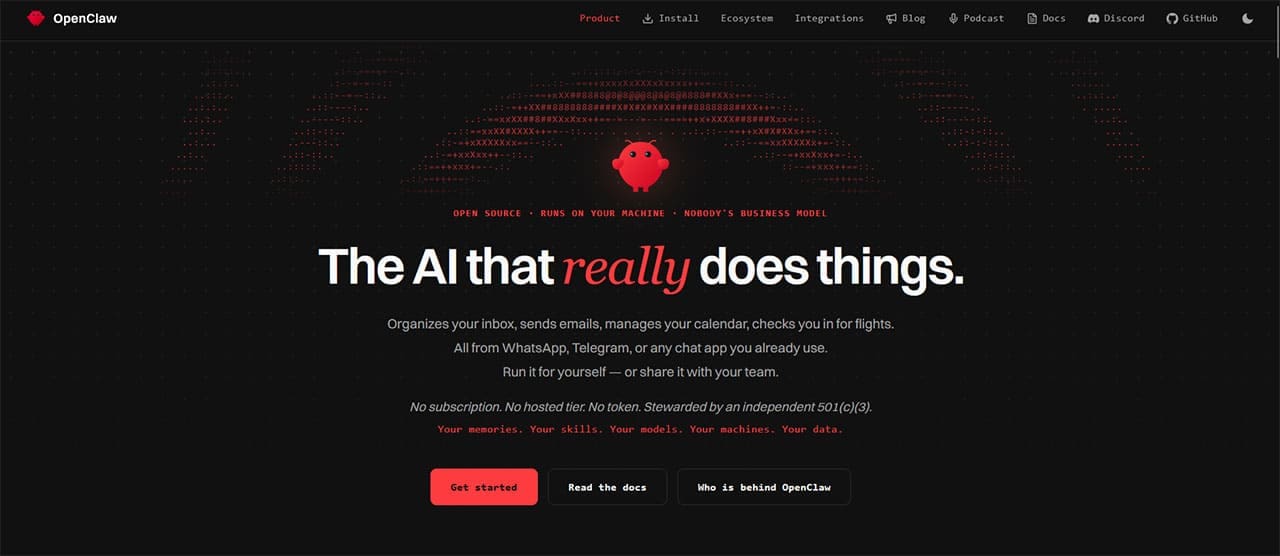
Hermes Agent, as the name implies, is constructed around a single portable agent. There is one process across every interactive terminal, UI, and desktop app.
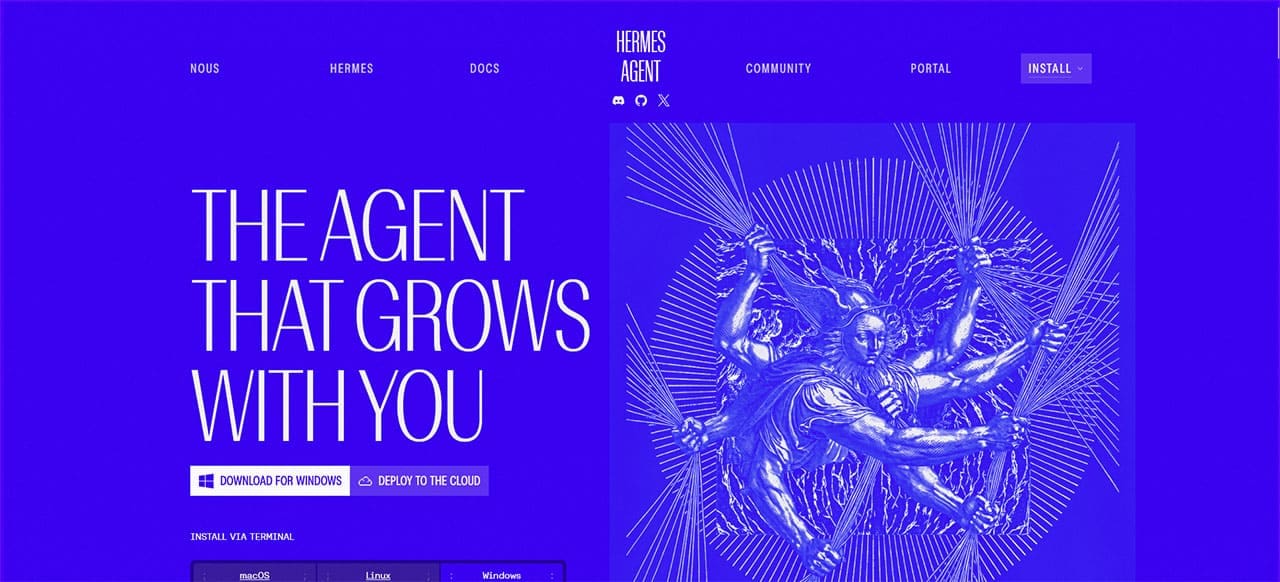
This architecture reflects the focus of each. OpenClaw emphasizes broad channel, device, and integration support, while Hermes emphasizes learning, memory, and reusable skills.
Skills, Memory and Learning
Both AI agents make extensive use of skills, and “SKILL.md” is based on the Agent Skills format, making many skills portable between them.
As for memory, OpenClaw uses file-based, persistent memory, which can be easily read and edited by users at any point. Hermes takes a more innovative approach with session, persistent, and skill memories, which allow tasks to be improved and refined with every execution. Hermes comes off as the better learner here. That said, these skills do remain domain-specific, while OpenClaw isn’t as restrained.
Model Support
Both Hermes and OpenClaw agents are very flexible here, allowing for BYOK. One third-party comparison says ClawRouters can reduce API costs by 40–60%, although actual savings depend on the models and routing configuration. In addition, Hermes has access to the Nous portal ecosystem, ideal for research.
Setup
OpenClaw can be self-hosted on a local machine or server, with cloud/VPS deployment also supported. Third-party providers also offer managed hosting. Hermes Agent supports self-hosting and local deployment, although it also offers desktop installers and cloud/serverless deployment options. The easier of the two for rapid adoption is definitely OpenClaw.
Cost
Seeing as both agents are open-source and able to run locally, the cost is not so much in subscription as tokens. Hermes’ learning and background-review features can add token usage, while its persistent memory also consumes some context on each session. However, overall cost depends on the model, provider, workload, and configuration. In addition, if using OpenClaw hosting, you may also incur fees.
Messaging
OpenClaw, being ecosystem-focused, wins hands down with over 50 messaging apps being supported. Hermes also supports a broad range of messaging platforms, including Telegram, Discord, Slack, WhatsApp, Signal, Microsoft Teams, Google Chat, email, and many others. For a wider reach, OpenClaw appears to be the winner.
Usage Cases
From all of the above, we can see that OpenClaw is a good choice for you if you need multi-channel implementation, a quick setup, and broad focus. It can be useful for teams or individuals working across a variety of platforms and devices.
Hermes Agent is perfect if you need to perform repetitive tasks that can be slowly refined over time. It’s ideal for research and teams that possess the technical savvy to set it up and run things.
While OpenClaw is more established, both Agents are very well supported on GitHub and beyond, with a rapid embrace of Hermes in the community. You won’t be hard-pressed to find assistance when needed.
Related Posts
 Can Using Microsoft Copilot Cowork Boost Your Productivity?
 How to Set Up an AI Agent for Teams
 Azure AI Foundry vs. Copilot Studio: Which AI Agent Platform Do You Need?
 Best AI Voice Changers for Discord
 What Is the Best Meeting AI Transcription App
 Best AI Tools for Excel
 Is Concierge AI the Best Connected AI Assistant?
 How to Use IFTTT to Connect Telegram to Your Workflow App
 Needle AI Review: Is It Really the Easiest Way to Find Your Data?

Disclaimer: Some pages on this site may include an affiliate link. This does not effect our editorial in any way.