
Comparing AI engines is a difficult task. Ultimately, the one that works best for you will be the one that fits your needs and budget. In this article, we’re taking a look at two very different AI models: DeepSeek V4 vs Claude Opus 4.7, and examining the differences, features, and advantages of both.
DeepSeek V4 vs Claude Opus 4.7
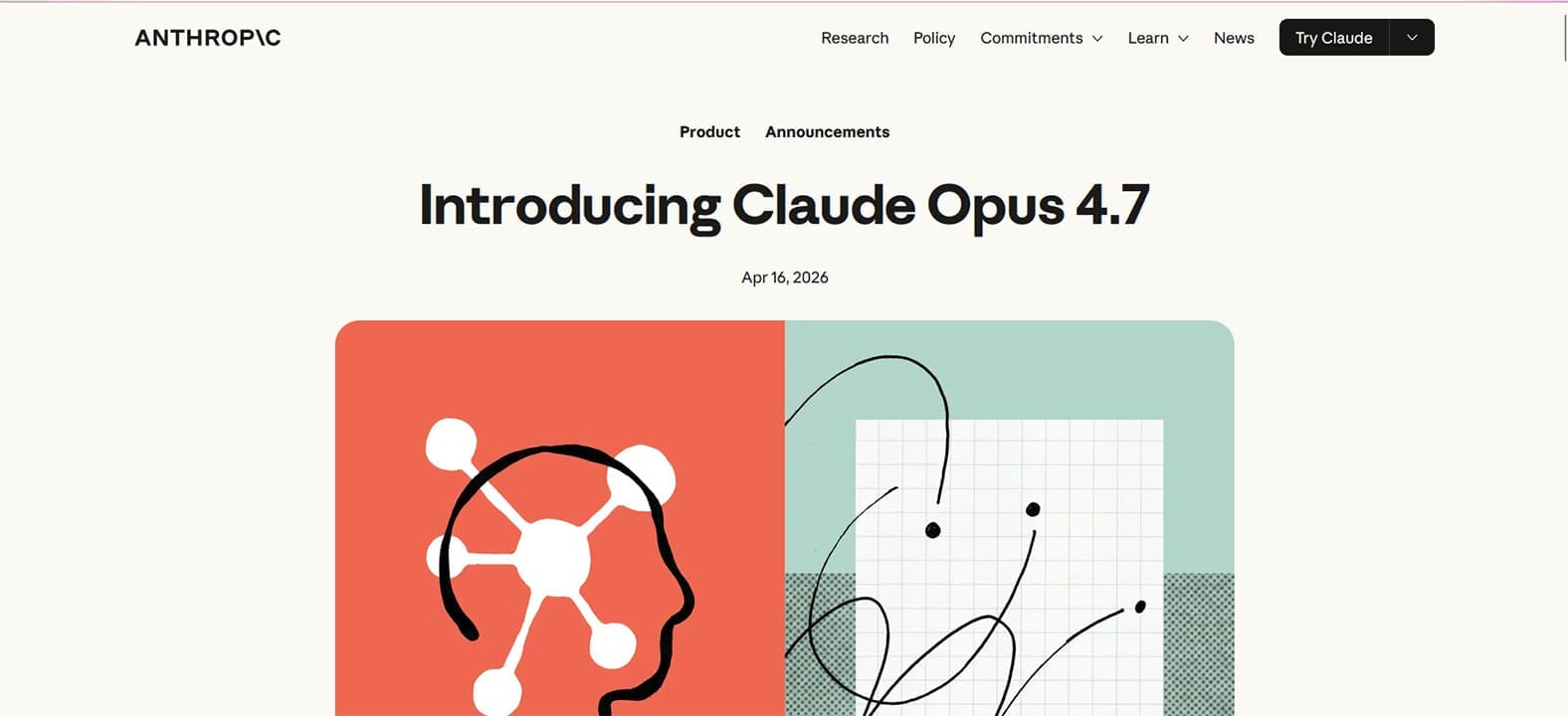
Claude Opus 4.7 is the latest version of Anthropic’s most advanced model. Continuing in the Opus tradition, 4.7 focuses on multi-step reasoning, nuance in responses, and deals well with complex and long tasks.
DeepSeek V4, a preview build but one that already streaks ahead of its forerunners, is also a very capable model, prioritizing efficiency, speed, and cost-effectiveness. The Mixture of Experts (MoE) model activates subsections only according to what’s required by prompts, delivering answers while staying efficient.

The Breakdown
Let’s take a more detailed look at the key areas,
Cost
Let’s start with the price tag, as it both informs other areas where the two models compete, and is their biggest difference. For the cheapest performer, DeepSeek wins hands down. For every million tokens in input and output, V4 costs (USD) $1.74 and $3.48, respectively, compared to Opus 4.7’s $5 and $25.
The higher your output volume, the more cost-efficient DeepSeek appears. That said, it’s evident that Claude prioritizes quality over quantity in responses from Opus 4.7, so for those seeking nuance and complexity, there’s an argument for the higher price tag.
Coding
DeepSeek V4 is highly cost-effective for heavy coding workloads, while Claude Opus 4.7 works better on complex software engineering and repository-scale tasks. But combined with its low output cost, DeepSeek V4 is ideal for long-form coding.
Where 4.7 still holds an advantage over DeepSeek is in complex software engineering tasks, scoring much higher in benchmarks.
Reasoning
When it comes to snappy responses, you’ll be hard-pressed to beat DeepSeek V4, but if it’s complex tasks and multi-step reasoning you’re looking for, this is where Opus has always poured its energy, never mind its latest incarnation. In MMLU-Pro and BBH benchmark tests, the clear winner is still Anthropic’s best model.
Context Window
Both models are on relatively equal footing here, with an input of one million tokens. That said, Claude is designed to handle more complex tasks and interpretation, so the degradation in its context window is much less apparent than DeepSeek on longer stretches.
Agentic AI
Claude has dedicated itself to advancing Agentic AI, and Opus 4.7 is proof of this. Because the model stays in its lane when it comes to prompting and doesn’t stray too far, it’s more stable and less prone to error. Anthropic’s Constitutional AI ensures the model stays compliant. What’s more, Opus 4.7 comes with dedicated Agentic tooling, making it ideal for repository-level engineering work.
This doesn’t rule DeepSeek out entirely, though. DeepSeek v4 still leads the charge in Agentic Search, and its capabilities are catching up to Claude.
Multimodal
Claude Opus 4.7 comes with improved multimodal input, allowing higher resolution images (up to 2576 pixels long), charts, figures, and documents. This is an advantage over DeepSeek V4, which doesn’t include benchmarks for these in the release notes.
Where v4 does shine is its open-weight design (MIT License), allowing it to be downloaded, integrated, and self-hosted in supported environments rather than relying on a third-party API provider. This flexibility is its advantage and is far less reliant than Opus would be on Anthropic.
Related Posts
 DeepSeek vs. ChatGPT vs. Claude – Or None of Them?
 What Is DeepSeek and Will It Revolutionize AI?
 How to Use DeepSeek AI
 Get ChatGPT, Claude, and Midjourney on Telegram With Unlim AI
 AppDeploy Review: Deploy Real Apps Directly From ChatGPT or Claude
 ChatGPT vs. Gemini vs. Claude – How Do They Compare?
 What Is New in Claude 4?
 How to Speed Up Your Excel Data Analysis With Claude AI
 What to Do When You Can’t Run Claude From VS Code

Disclaimer: Some pages on this site may include an affiliate link. This does not effect our editorial in any way.